
led tall mirror
How to Close the Water Valve A Step-by-Step Guide Understanding how to properly close a water valve is essential for every homeowner. Whether you're dealing with a plumbing emergency, performing maintenance on your plumbing system, or preparing for seasonal changes, knowing how to close the water valve correctly is crucial to prevent water damage and ensure safety. This article will provide a comprehensive step-by-step guide on how to close the water valve effectively. Step 1 Identify the Water Valve Before you can close a water valve, you need to know where it is located. Most homes have several water valves, including 1. Main Water Valve This valve is typically located near where the water line enters your home, such as in the basement, crawl space, or outside near the foundation. 2. Individual Fixture Valves These valves can be found under sinks, behind toilets, or near appliances that use water, such as dishwashers and washing machines. 3. Outdoor Valves These are used to control water flow to outdoor hoses or irrigation systems. Once you’ve located the appropriate valve, ensure you have the right tools, if necessary. For most valves, you will simply need your hands, but occasionally, a wrench or pliers might be required. Step 2 Understand the Valve Type Water valves come in different types, such as gate valves, ball valves, and compression valves. - Gate Valves Usually rounded, these valves require you to turn the handle multiple times to close fully. - Ball Valves These generally have a lever handle that you can turn a quarter-turn (90 degrees) to close or open. - Compression Valves Commonly found under sinks, these require you to turn the handle clockwise to close. Knowing the type of valve will help you understand how to operate it effectively. Step 3 Prepare to Turn Off the Valve Before you begin turning off the valve, it’s essential to prepare 1. Clear the Area Make sure the area around the valve is free of obstacles. This will ensure you have enough space to maneuver and inspect for any leaks after closing the valve. how to close the water valve 2. Position a Container If the valve is under a sink or in a location where water could leak, place a bucket or container underneath to catch any residual water that may spill. Step 4 Close the Valve Now that you’re ready, proceed to close the valve - For Gate Valves Turn the handle clockwise until it is fully closed. You may need to turn it multiple times, depending on the valve size. - For Ball Valves Simply turn the lever 90 degrees until it is perpendicular to the pipe. In this position, the valve is closed. - For Compression Valves Turn the handle clockwise until it stops. Be careful not to overtighten, as this can damage the valve. Step 5 Check for Leaks After closing the valve, it’s crucial to check for any leaks. Turn on the faucet connected to the closed valve and observe 1. No Water Flow If there’s no water coming out, the valve has effectively closed. 2. Leaks If you notice any leaks around the valve, especially if it’s an older valve, it might indicate that the valve is worn out and may need to be replaced. Step 6 Document and Maintain Keep a record of the valves in your home and routinely check their condition. Proper maintenance can prolong the life of your plumbing system and prevent potential issues. Conclusion Closing a water valve is a straightforward yet essential task for any homeowner. By understanding the types of valves, knowing their locations, and following the steps outlined above, you can effectively manage your plumbing system. Whether you are responding to a leak, preparing for cold weather, or completing routine maintenance, mastering the art of closing water valves ensures your home remains safe and dry. Remember to remain proactive about your plumbing needs, and don't hesitate to call a professional if you're uncertain about any aspect of valve operation or maintenance.
about
led tall mirror
Understanding Stop and Check Valves Functionality and Applications Stop and check valves are essential components in various industrial and mechanical systems. They serve fundamental roles in controlling fluid flow, ensuring safety, and maintaining operational efficiency in pipelines and other fluid transport systems. What is a Stop and Check Valve? A stop and check valve is a combination of two distinct types of valves a stop valve and a check valve. The stop valve is designed to shut off the flow of media when required, while the check valve allows flow in one direction but prevents backflow. This dual functionality makes the stop and check valve an invaluable asset in many applications, particularly where fluid control and prevention of reverse flow are critical. How Does It Work? The operation of a stop and check valve is relatively straightforward. When the valve is in the 'open' position, fluid is allowed to flow through. If the need arises to stop the flow, the stop valve can be actuated to close. Simultaneously, the check valve functionality ensures that, regardless of any pressure changes downstream, liquid cannot flow back into the upstream system. One of the critical features of a stop and check valve is the mechanism that prevents backflow. This is typically achieved through a movable disc or ball that only opens with forward flow and closes tightly against the seat in the absence of forward pressure. The design of these valves can vary, featuring rising or non-rising stems, and can be actuated manually or through automation, depending on the application. Applications of Stop and Check Valves Stop and check valves find applications across numerous industries, including water management, oil and gas, chemical processing, and HVAC systems. Here are some specific uses 1. Water and Wastewater Treatment In water treatment facilities, stop and check valves regulate flow and prevent contaminated water from backflowing into clean water lines. They are crucial in maintaining water quality and system integrity. stop and check valve 2. Oil and Gas Industry These valves are essential in pipelines and storage tanks, where they control the flow of crude oil, natural gas, and refined products. They prevent dangerous backflow that could lead to leaks or spills. 3. Cooling Systems In HVAC applications, stop and check valves regulate coolant flow within the system. They help ensure that the cooling cycle operates efficiently and that the refrigerant does not flow backward into parts of the system where it could cause damage. 4. Pump Protection Stop and check valves are often used in conjunction with pumps to ensure that water or other fluids do not flow back into the pump when it is turned off. This is crucial for protecting pump integrity and prolonging its operational lifespan. 5. Fire Protection Systems In fire suppression systems, these valves play a vital role in ensuring that water flows only in the designated direction, allowing for effective firefighting while preventing backflow that could compromise system integrity. Benefits of Using Stop and Check Valves The primary advantages of stop and check valves include their ability to provide both stopping and check functionalities in one device, reducing space and cost compared to using two separate valves. They enhance the safety of fluid handling systems and streamline operations by allowing for a more straightforward installation and maintenance process. Moreover, modern stop and check valves are designed to be durable and reliable, constructed from high-grade materials such as stainless steel or PVC, ensuring they withstand high pressures and corrosive environments. This durability translates into reduced downtime and lower maintenance costs over the lifecycle of the valve. Conclusion In summary, stop and check valves are critical components that enhance the safety and efficiency of fluid handling systems across various industries. Their unique ability to control flow and prevent backflow makes them indispensable in applications where fluid integrity is paramount. As technology advances, the design and functionality of these valves will continue to evolve, providing even greater benefits to engineers and operators in managing complex fluid systems. Understanding and utilizing stop and check valves effectively can lead to improved performance, safety, and reliability in any fluid handling application.
-

High quality industrial productsagement

High quality industrial products
View Details -

Meet the diverse needs of customers

Meet the diverse needs of customers
View Details -

Strict quality control

Strict quality control
View Details -

Top raw materials

Top raw materials
View Details -

Trusted supplier

Trusted supplier
View Details
Our application

news and information
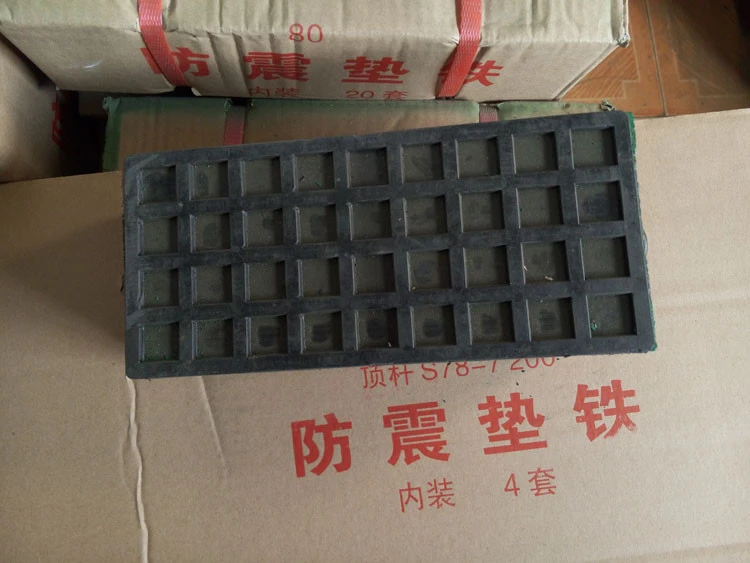
Vertical Y Strainers for Efficient Liquid Filtration Solutions
vertical y strainer .

y Siebdampfabscheider
Der Y-Strainer ist ein wichtiges Bauteil in der industriellen Prozessindustrie, insbesondere in Damp
Using Thread Ring Gauge for Precision Measurement and Quality Assurance in Manufacturing
The Importance of a Thread Ring Gauge in Quality Control In the realm of engineering and manufacturi
 English